
Exploring the Scenic Windmills of Normandy and Their Rich History
Updated: May 2
Normandy’s countryside is dotted with charming windmills that tell stories of a bygone era. These structures, once vital for local agriculture and industry, now stand as picturesque landmarks that attract visitors eager to explore the region’s heritage. The windmills of Normandy offer more than just scenic views; they provide a window into the past, revealing how communities harnessed natural energy long before modern technology.
The Role of Windmills in Normandy’s Past
Windmills played a crucial role in Normandy’s rural economy, especially from the Middle Ages through the 19th century. They were primarily used for grinding grain into flour, an essential process for feeding local populations. The region’s strong winds and open fields made it an ideal location for these mills.
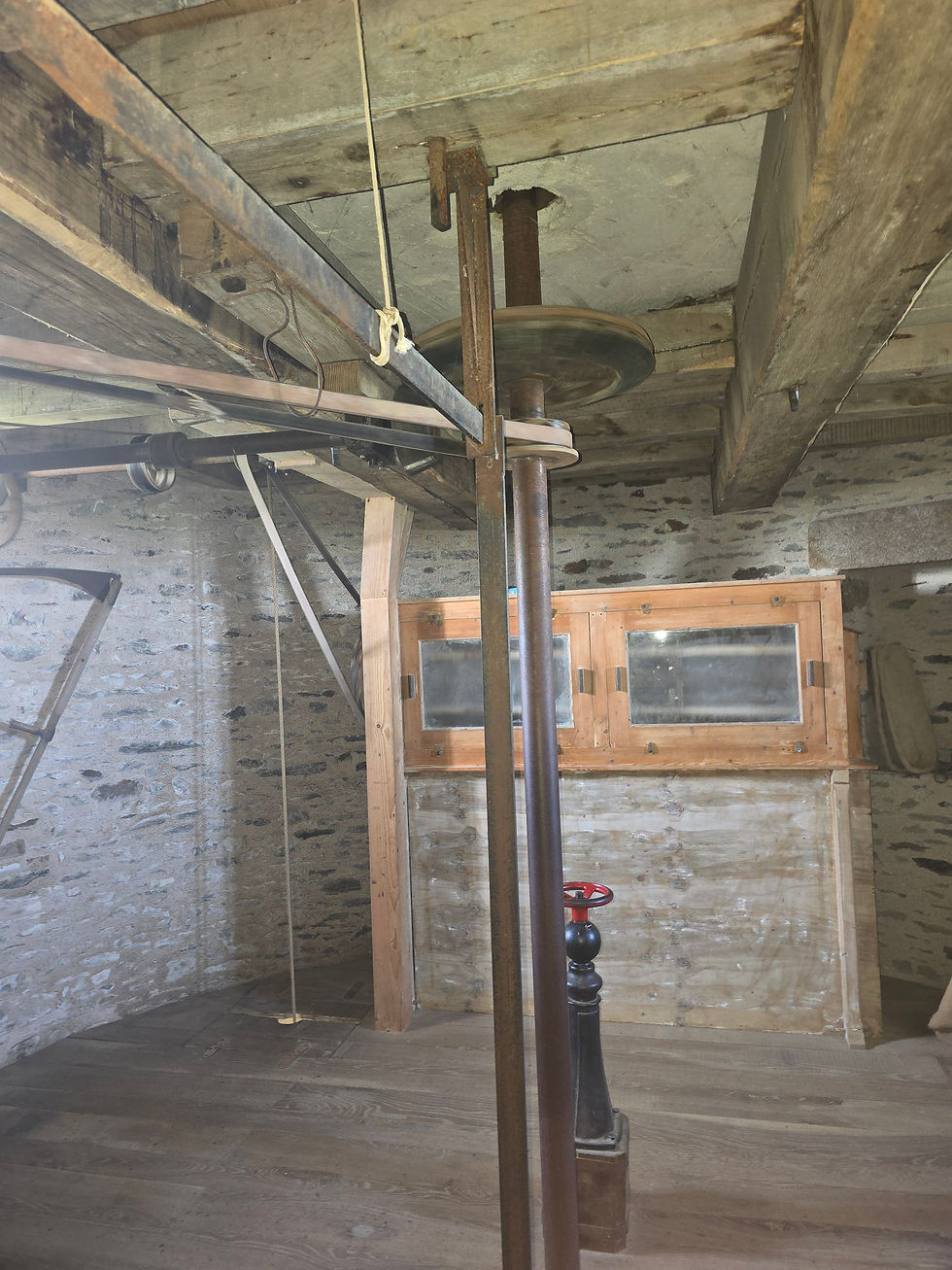
Many windmills were built near villages or farms, serving as community hubs where farmers brought their harvests. The design of these mills varied, but most featured large sails that caught the wind to turn the grinding stones inside. This simple yet effective technology allowed for faster and more efficient grain processing compared to manual methods.
Architectural Features of Normandy Windmills
Normandy windmills come in several styles, but the most common are the post mill and tower mill. Post mills have a wooden body that can rotate on a single post to face the wind, while tower mills have a fixed stone or brick tower with a rotating cap.
Post Mills
These are among the oldest types of windmills. Their entire structure pivots to catch the wind, which requires a sturdy central post. Post mills are often smaller and made mostly of wood.
Tower Mills
Tower mills are taller and more durable, constructed from stone or brick. Only the top part, or cap, rotates to align the sails with the wind. This design allowed for larger sails and more power.
Many of Normandy’s windmills have been restored or preserved as historical monuments. Some still operate during festivals or special events, demonstrating traditional milling techniques.
Visiting Normandy’s Windmills Today
Travelers interested in history and rural landscapes will find Normandy’s windmills a rewarding destination. Several windmills are open to the public, offering guided tours that explain their mechanics and history.
Notable Windmills to Visit
Moulin de Moidrey
Located near Mont Saint-Michel, this restored post mill offers demonstrations of grain milling and a small museum about local agriculture.
The Cultural Significance of Windmills in Normandy
Beyond their practical use, windmills have become symbols of Normandy’s rural identity. They appear in local art, literature, and festivals, celebrating the region’s connection to the land and its history.
Windmills also remind us of sustainable energy use before the industrial age. Their reliance on wind power aligns with modern interests in renewable energy, making them relevant beyond their historical context.
Preserving Normandy’s Windmills for Future Generations
Efforts to maintain and restore windmills in Normandy involve local communities, heritage organizations, and government support. Preservation work includes repairing sails, reinforcing structures, and educating the public about their importance.
These projects help keep the windmills functional and accessible, ensuring that visitors can experience a piece of living history. Supporting these efforts through visits or donations helps protect Normandy’s cultural landscape.




Comments