
Exploring the Granite Coast: Unforgettable Landscapes, Wildlife Encounters, and Travel Tips
Updated: May 11
The Granite Coast offers one of the most striking natural experiences in the world. From jagged rock formations sculpted by centuries of wind and waves to the rich wildlife that calls this rugged shoreline home, every moment spent here feels like stepping into a living postcard. My recent trip to this remarkable coast revealed hidden gems, breathtaking views, and a few challenges that made the adventure even more memorable. In this post, I’ll share the highlights of my journey, favorite spots, and practical advice for anyone planning to explore this unique destination.


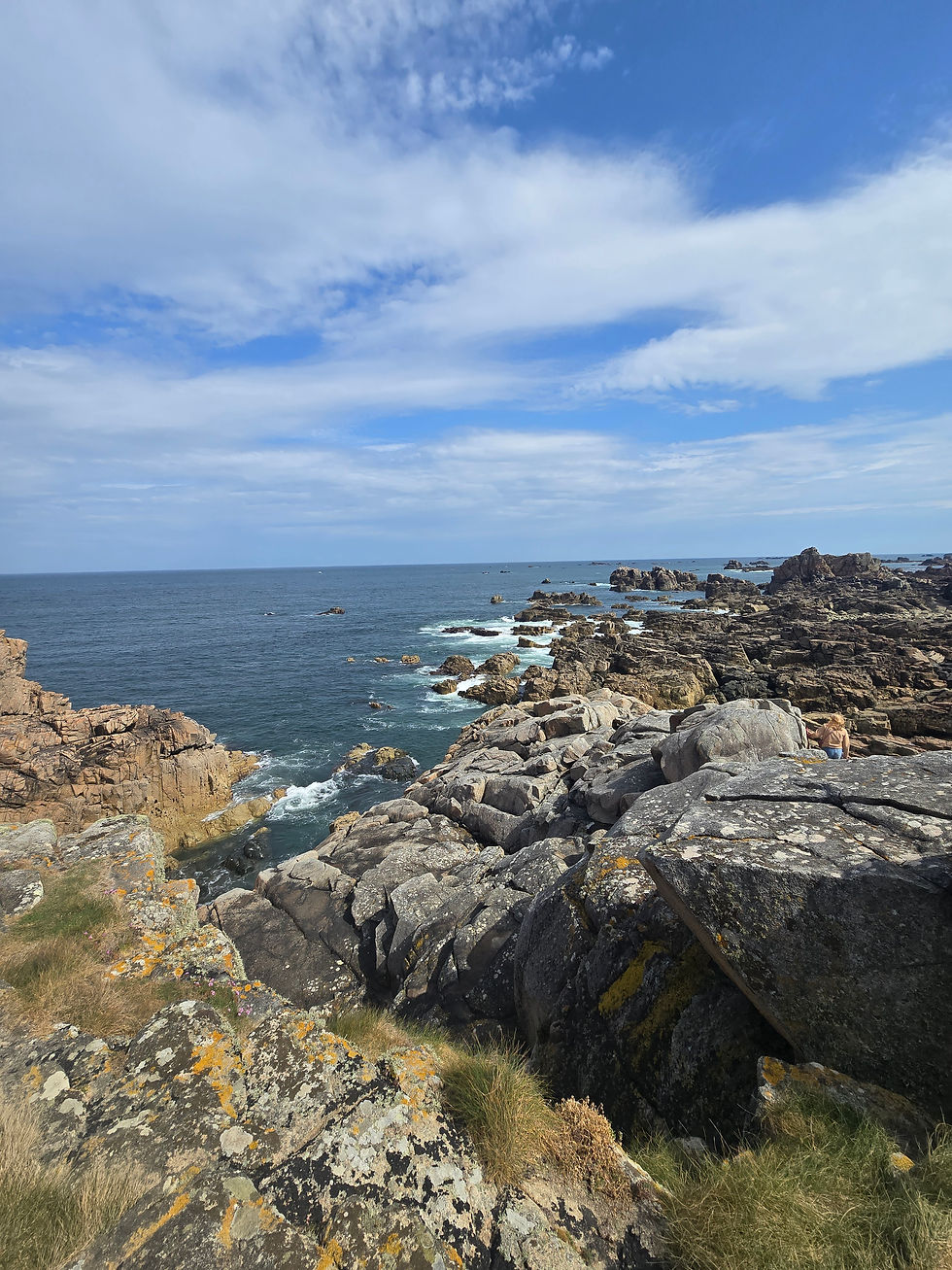

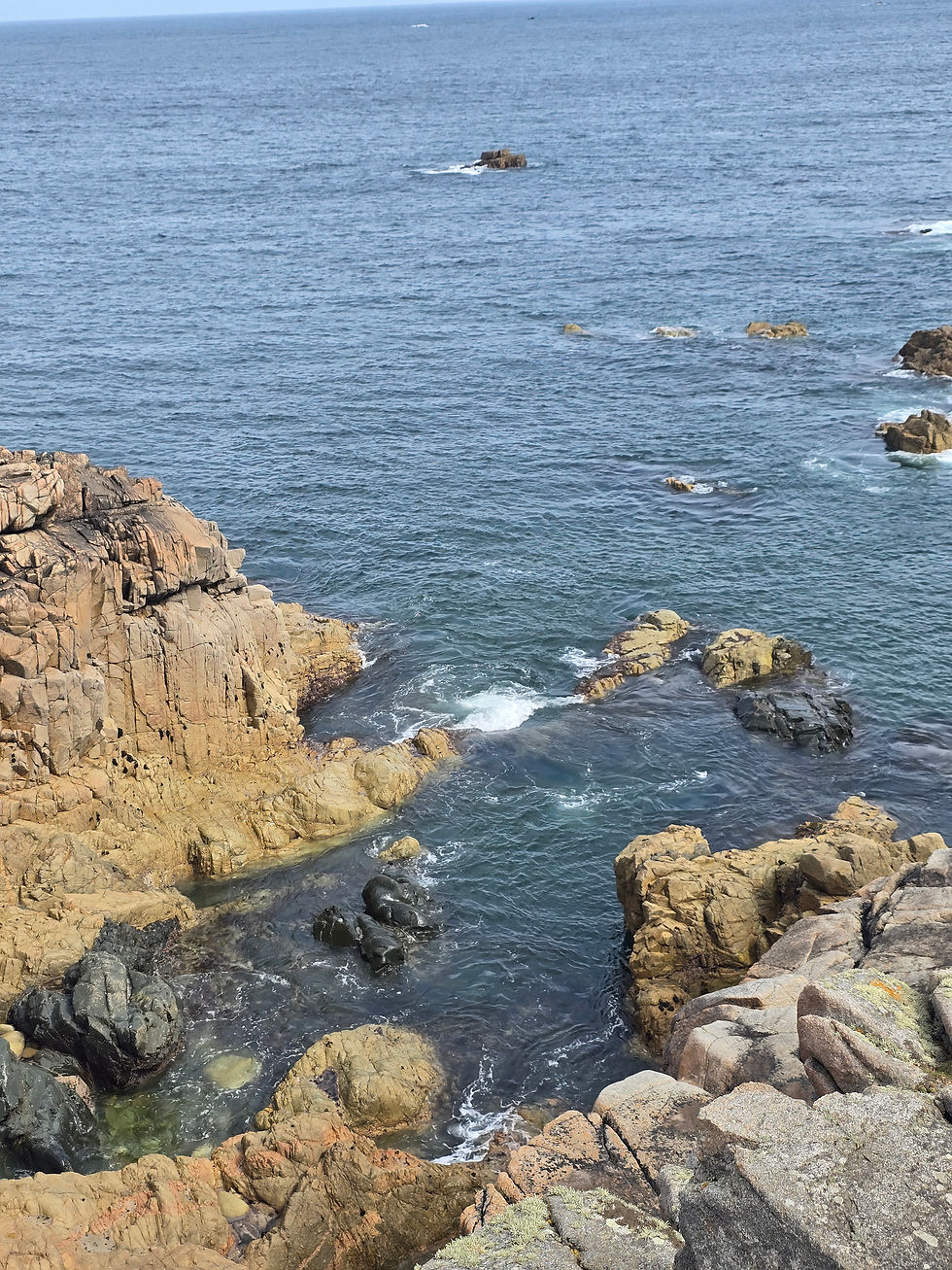


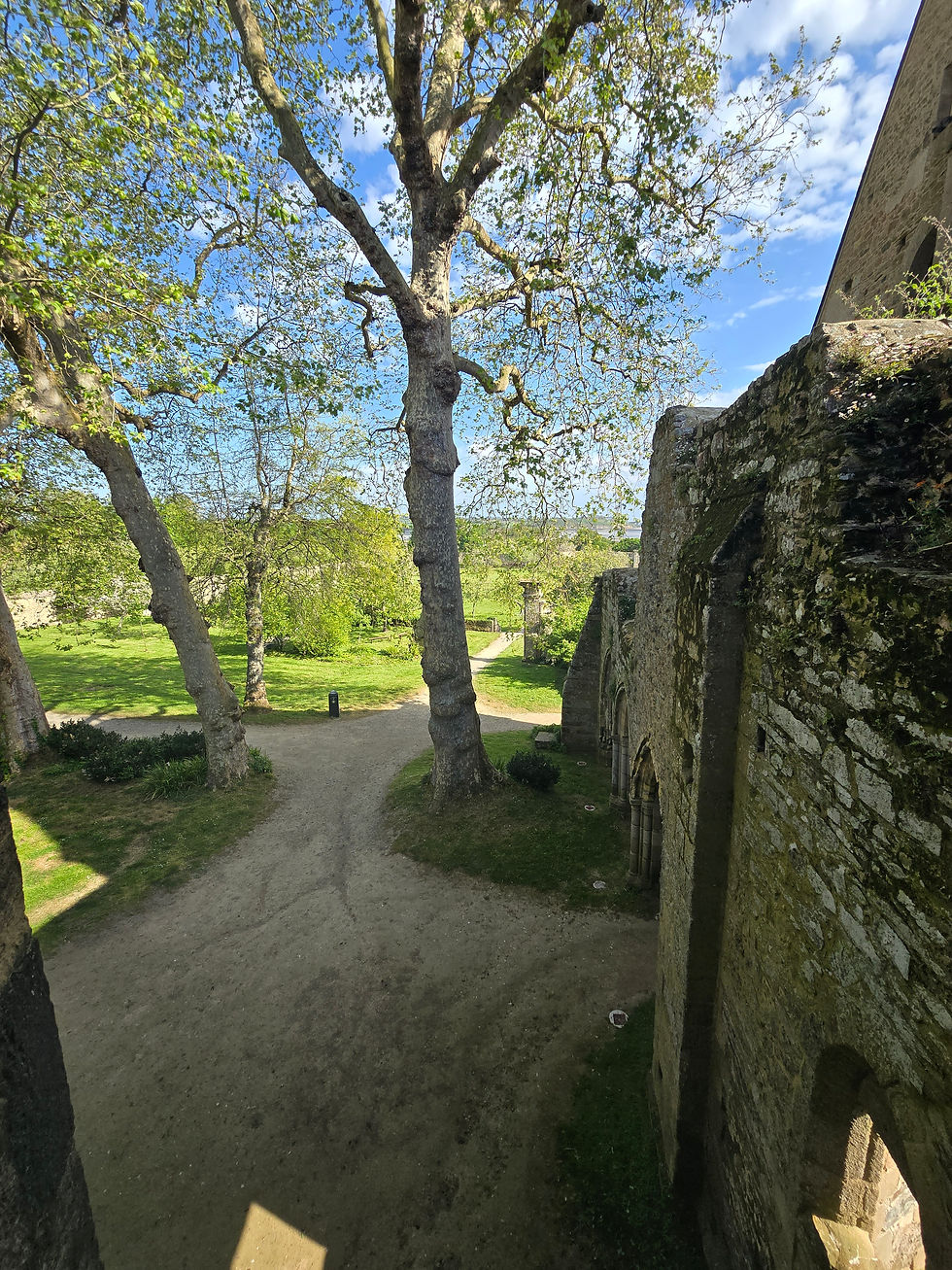
Beauport Abbey is a Cistercian abbey located in Paimpol, Brittany, France. Founded in the thirteenth century, it is a remarkable example of Cistercian architecture and is surrounded by an exceptional natural setting, with views
Built in 1202 by monks of the Cistercian order, the abbey has gone through several phases of development over the centuries. It was an important center of religious and economic life in the region until the French Revolution, which led to its desecration and degradation.




Stunning Landscapes That Take Your Breath Away
The Granite Coast is famous for its vast stretches of pink and gray granite rocks that contrast sharply with the deep blue of the ocean. Walking along the shore, I was constantly amazed by the variety of shapes and sizes these rocks took. Some looked like giant chess pieces, while others resembled ancient sculptures carved by nature itself.
One of the most unforgettable views was from the coastal trail near Ploumanac’h. The path winds through clusters of granite boulders, offering panoramic views of the sea and the rocky shore. Early morning light casts a warm glow on the stones, making the colors pop vividly. This spot is perfect for photographers or anyone who appreciates natural beauty.
The coastline also features hidden coves and sandy beaches tucked between the rocks. These quieter areas provide a peaceful retreat from the more popular viewpoints and are ideal for a picnic or simply soaking in the surroundings.
Unique Rock Formations That Tell a Story
What makes the Granite Coast truly special are the unusual rock formations shaped by erosion and weathering over thousands of years. One formation that caught my attention was called the “Devil’s Head,” a granite outcrop that resembles a face staring out to sea. It’s fascinating how nature can create such detailed shapes without human intervention.
These formations are not only beautiful but also serve as a reminder of the geological forces at work. The granite here is some of the oldest in Europe, dating back over 300 million years, which adds a layer of history to the visual spectacle.
Encounters with Local Wildlife
The Granite Coast is home to a variety of wildlife, both on land and in the sea. During my walk along the cliffs, I spotted several seabirds, including gulls and cormorants, nesting on the rocky ledges. Their calls added a lively soundtrack to the otherwise quiet landscape.
At low tide, tide pools revealed small crabs, starfish, and colorful sea anemones clinging to the rocks. Exploring these pools was a fun way to connect with the marine life that thrives in this environment.
If you’re lucky, you might also see seals basking on the rocks or dolphins swimming offshore. I was fortunate enough to spot a pod of dolphins playing near the coast one afternoon, which was a thrilling experience and a highlight of the trip.
Personal Experiences and Favorite Spots
One of my favorite moments was watching the sunset from the top of a granite hill overlooking the sea. The sky turned shades of orange and pink, reflecting off the rocks and water below. It was a quiet, almost magical moment that made the effort of the hike worthwhile.
I also enjoyed visiting the nearby village of Perros-Guirec, which offers charming streets, local seafood restaurants, and easy access to the coast unless your in a motorhome where there is a blanket ban on parking unless you want to park in an over priced over filled carpark miles from anywhere
The only challenge I faced was navigating some of the uneven and slippery granite surfaces, especially after rain. Wearing sturdy shoes with good grip made a big difference and helped me feel confident on the trails.
Tips for Future Travelers
Best time to visit: Late spring to early autumn offers the most pleasant weather and longer daylight hours. Summer can be busy, so visiting in May or September provides a good balance of good weather and fewer crowds.
What to bring: Comfortable hiking shoes, a hat, sunscreen, and a camera are essential. A small backpack with water and snacks will keep you energized during longer walks.
Must-see attractions:
- The coastal trail near Ploumanac’h for stunning views and rock formations
- The village of Perros-Guirec for local culture and dining
- The tide pools at low tide for marine life exploration
- Sunset viewpoints on granite hills for unforgettable photo opportunities
Safety advice: Be cautious on wet or moss-covered rocks, especially near the water’s edge. Check tide times if you plan to explore beaches or tide pools to avoid being caught by rising water.
Local wildlife: Bring binoculars if you enjoy birdwatching or hope to spot marine animals offshore.


Comments