
Day out to Lorient to see the submarine base
Lorient, located in Brittany, France, is known for its rich maritime history and the historic submarine base. Visiting this site offers a unique glimpse into naval history and the engineering prowess of the past. Here’s a guide to making the most of your trip.
Getting There
By Air: The nearest airport is Lorient Bretagne Sud Airport, with connections to major cities.
By Train: Lorient is accessible by train from major French cities like Paris and Rennes.
By Car: Driving to Lorient provides flexibility to explore the surrounding areas.
Visiting the Submarine Base
Guided Tours: Consider joining a guided tour to learn about the history and significance of the base.
Exhibitions: Check out any exhibitions that might be taking place in the base, showcasing naval artifacts and history.
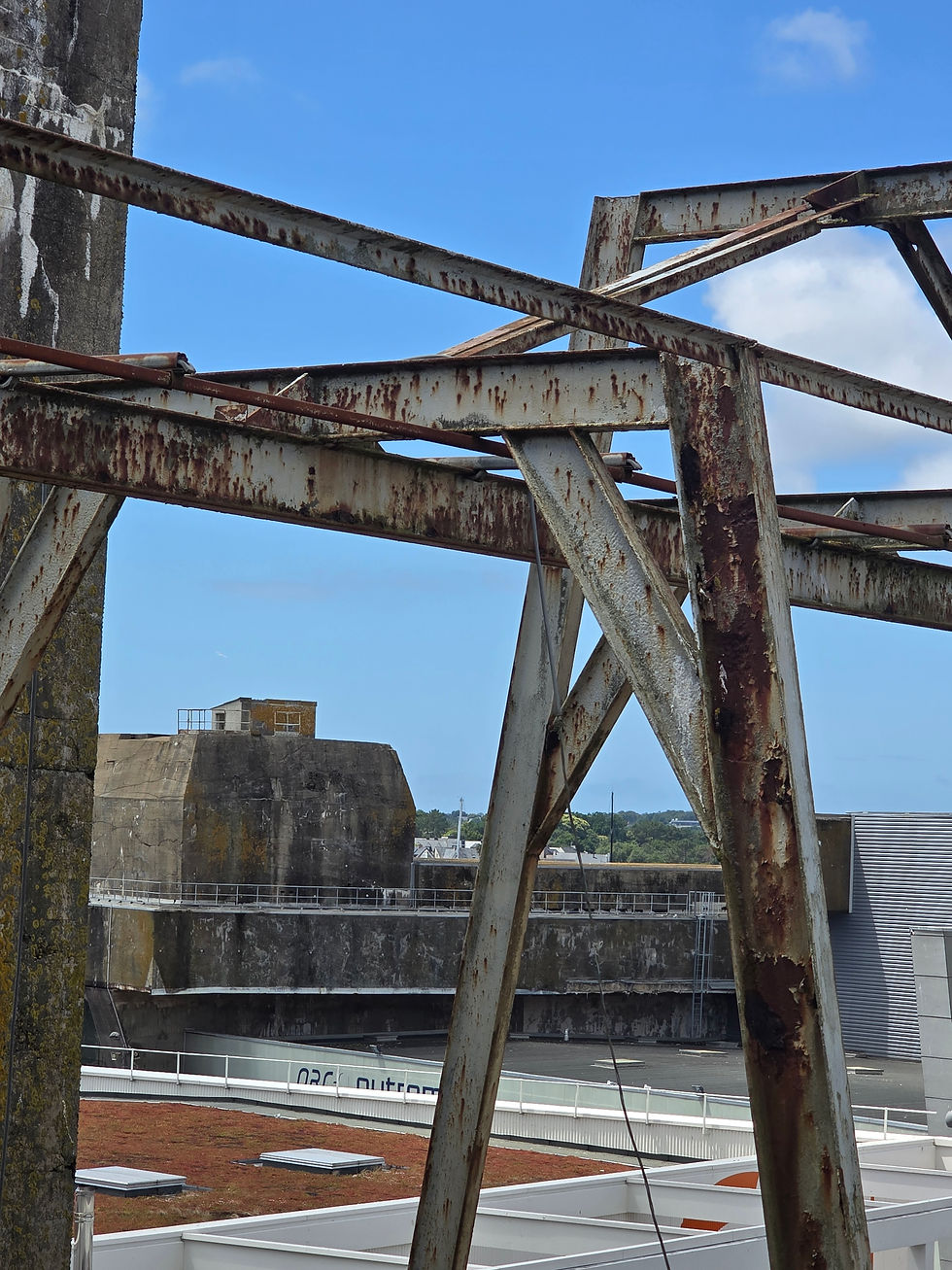
Photography: The architecture of the submarine base is impressive, making it a great spot for photography.
Nearby Attractions
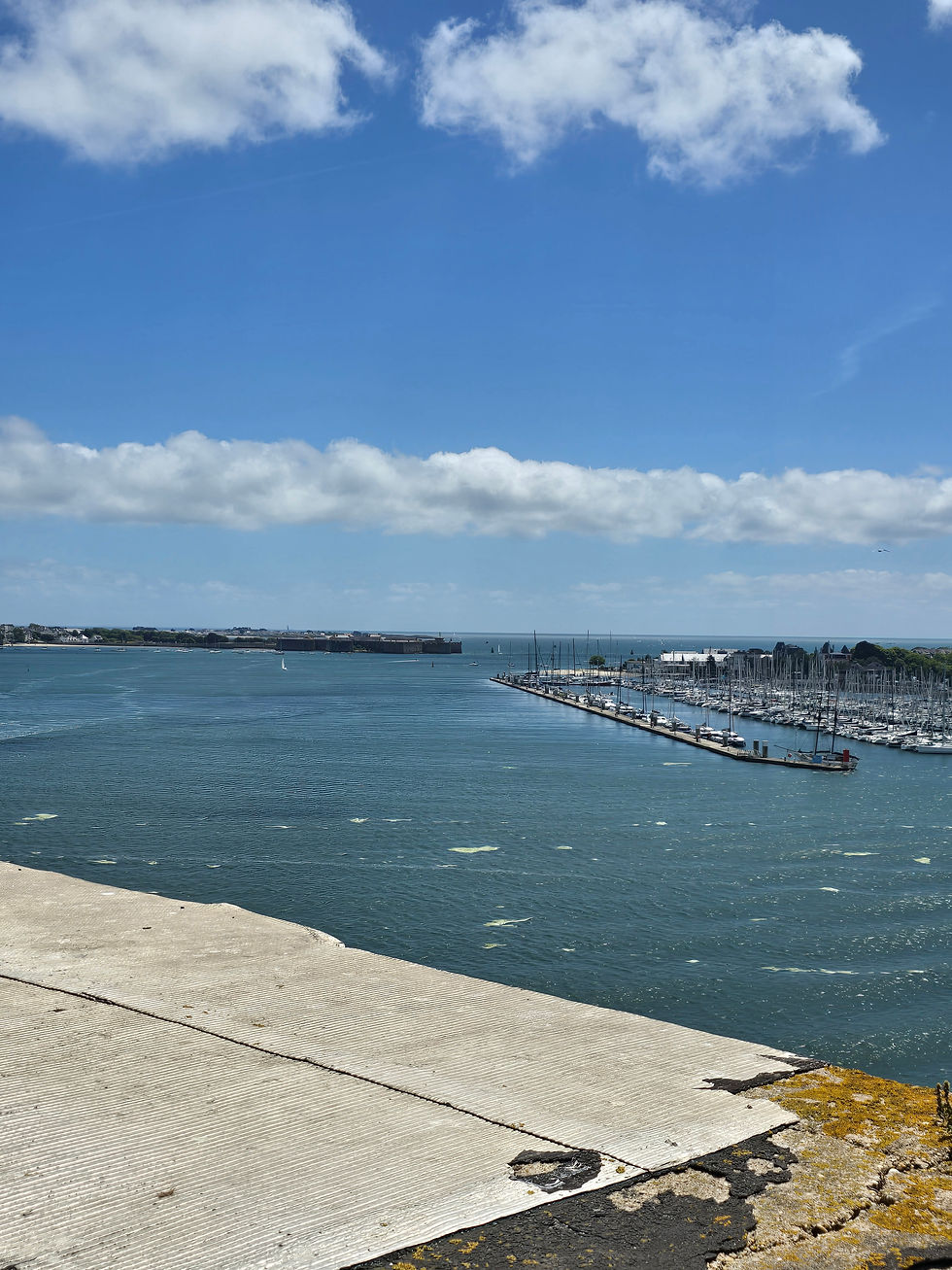
Port Louis: A charming town nearby with historical sites and beautiful views.
Scorff River: Enjoy a stroll along the river or partake in water activities.
Brittany Coast: Explore the stunning coastal landscapes and beaches in the area.
Tips for Your Visit
Check Opening Hours: The submarine base may have specific visiting hours, so plan accordingly.
Dress Appropriately: The site can be chilly, so bring layers.
Respect the Site: As a historical location, follow any guidelines provided during your visit.
Enjoy your trip to Lorient and the fascinating submarine base!






History of Lorient Submarine Base
Early Development
The Lorient Submarine Base, located in Lorient, France, was constructed during World War II by the German Navy. The base was primarily built to support U-boat operations in the Atlantic Ocean. Construction began in 1941 and continued until 1943, with the facility designed to be a fortified and secure location for submarine maintenance and operations.
Architectural Features
The base was notable for its robust architecture, featuring thick concrete walls and large hangars that could accommodate several U-boats simultaneously. The design included:
Underground bunkers for protection against Allied air raids
Extensive docking facilities
Maintenance and repair workshops
Operational Use
During its operational years, the Lorient Submarine Base became one of the most important U-boat bases for the Kriegsmarine. It played a crucial role in the Battle of the Atlantic, allowing for the launch of numerous submarine missions against Allied shipping.
Post-War Period
After the war, the base was heavily damaged but remained strategically significant. The French Navy took control of the base, and it was used for various naval operations. Over time, the base was repurposed and underwent renovations to accommodate modern naval needs.
Current Status
Today, the Lorient Submarine Base is no longer used for military purposes. It has been transformed into a cultural and tourist site, featuring museums and exhibitions that highlight its historical significance. The base serves as a reminder of its pivotal role during World War II and the evolution of naval warfare.
Conclusion
The history of the Lorient Submarine Base reflects the strategic military developments of the 20th century and the impact of naval operations on global conflicts. Its transformation into a cultural site underscores the importance of preserving historical landmarks for future generations.


Comments